
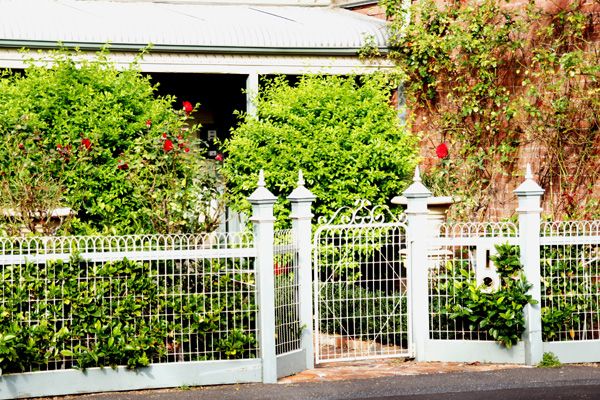

It’s easy to plan a fence around privacy and security, then discover halfway through the project that it’s taller than the rules allow. Fence and gate heights in NSW are governed by a mix of state planning rules and local council controls, and the two don’t always line up neatly. Getting the height, materials and gate details right before you build saves you from a stop-work notice, an awkward conversation with the neighbours, or the cost of pulling down a brand new fence.
Start With the State Rules on Exempt Development
Most residential fences can be built without council approval if they meet the standards for exempt development. The NSW Planning Portal’s fence guidance sets out those standards, and the key point is that a fence which doesn’t meet them isn’t exempt. That means you’d need approval before building. Treat the exempt development rules as the baseline, then check whether your council or your particular property adds further requirements on top.
Front Fences: Why 1.2 Metres Is the Number to Remember
In residential zones, a front fence along a primary or secondary road boundary, or its setback area, can be no more than 1.2 metres high. On a corner lot, this limit also covers the side boundary facing the street, which catches many owners out. Fences along a secondary road boundary or setback must also be at least 20 per cent transparent above 400 mm, and any solid piers or posts can be no wider than 350 mm. The intent is to keep streets open and visible, so a tall, solid front fence is rarely something you can build without approval. If privacy is your main goal, consider a low front fence paired with planting or a screened side boundary, rather than pushing against the limit and risking a rejected application.
Side and Rear Fences: Up to 1.8 Metres, With a Catch
Side and rear fences in residential zones can reach 1.8 metres, but if the fence is masonry, the limit drops to 1.2 metres. Many homeowners assume a brick fence can match the height of a timber or metal one, and it can’t under the exempt rules. If you want a taller masonry wall, expect to go through a formal approval process rather than relying on the exemption. Remember too that a fence shared with a neighbour falls under the Dividing Fences Act 1991, so talk to them early about cost, style and height. A written agreement, even a simple email, can prevent a dispute later, particularly if the new fence replaces an older one that’s leaning, rotting or no longer fit for purpose.
Gate and Material Rules That Are Easy to Overlook
Gates have their own requirements. Under the exempt rules, gates must not open outwards. Metal parts must be low-reflective and factory pre-coloured, and electric fencing and barbed wire aren’t allowed in residential zones. If your property is on bush fire prone land, fences must be non-combustible or hardwood. In koala habitat areas or movement corridors, your local council may add its own controls. Gate rules also differ by purpose: a pool gate has different swing requirements to a boundary gate, so check which rules apply to each one before you order anything. It’s also worth confirming finishes early, because a bright or glossy metal gate that looks great in the showroom may not meet the low-reflective requirement once it’s installed in the sun.
When the Exemptions Don’t Apply
Exempt development generally can’t be carried out on State Heritage Register items, items under an interim heritage order, critical habitat of endangered species, or wilderness areas. Works on public land or roads need approval from the council or Transport for NSW. Any structure must also be structurally adequate, installed to the manufacturer’s specifications and comply with the Building Code of Australia. If anything on this list applies to your property, speak to your council before you buy materials, because the answer can change the entire design. Ask what documents council needs, how long a decision usually takes and whether any local controls apply to your street. Having those answers in writing gives you something solid to show your builder or fencing contractor.
Don’t Let Height Limits Leave Your Entry Points Exposed
A 1.2 metre front fence won’t stop a determined intruder, and a 1.8 metre rear fence only goes so far. That’s why the house itself matters. OnGuard Security supplies security doors and screens that protect the front door, back door and sliding doors even when your fence is as low as the rules require. For homeowners in the north-west, Hills District security doors are a practical way to add real protection without fighting the height limits. A compliant fence sets the boundary, and a solid door sets the last line of defence.
Before you build, check three things: the state exempt development limits, your council’s local controls and any heritage, bush fire or neighbour issues on your lot. A short call to council now is far cheaper than redoing the work later, and it means the fence you build is one you can keep.
Frequently Asked Questions
How high can a front fence be in NSW without approval?
In residential zones, 1.2 metres along a road boundary or setback, including the side boundary of a corner lot.
How high can a side or rear fence be?
Up to 1.8 metres, or 1.2 metres if the fence is masonry.
Can I build a taller fence than the exempt limit?
You’d need approval first, because a fence that doesn’t meet the exempt standards isn’t exempt development.
Are there rules about gates?
Yes. Gates must not open outwards, and metal parts must be low-reflective and factory pre-coloured.
Do I need to talk to my neighbour?
If the fence is shared, yes. The Dividing Fences Act 1991 applies to fences separating your lot from an adjoining one.