
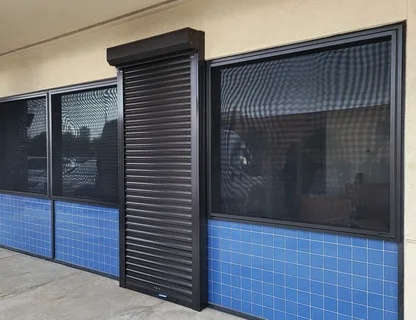

It’s 6am and the first truck of the day rumbles past your bedroom. Or it’s Saturday night, and next door’s party is still going strong at midnight. If you live near a busy road or share a fence with a lively household, you’ve probably wondered whether anything on your doors and windows could take the edge off.
Security screens are mostly bought to keep intruders out, but plenty of homeowners ask whether they help with noise too. The honest answer is yes, a little, and how much depends on what you choose and how well it’s fitted.
Why Noise Matters More Than You Might Think
Noise isn’t just irritating. A large Australian study using almost two decades of national household survey data, published through the Department of Social Services, found that people living with road, rail, aircraft or industrial noise reported poorer mental health. Traffic noise had the strongest link of all.
The same research found that mental health improved when people’s exposure to noise went down. That’s a good reason to treat a quieter home as more than a nice extra.
Neighbour noise is just as common a complaint. In a survey of more than 1,400 NSW residents, barking dogs topped the list of neighbour grievances, with loud music, slamming doors and parties not far behind.
How Sound Gets Into Your Home
Sound takes the easiest path, and that path is usually through gaps. It slips under doors, around loose frames and straight through open windows. A thin gap around a door can let in a surprising amount of noise, even when the door itself is solid.
That’s why the material of a door or screen matters, but the fit matters more. A heavy door that hangs loosely in its frame can let in more noise than a lighter one that closes snugly.
It also helps to know that not all noise behaves the same way. Deep rumbles from trucks and buses pass through walls and glass more easily, while voices, music and barking are easier to soften. A security door will make a bigger dent in the second group than the first.
What Security Screens Can and Can’t Do
Let’s be clear: a mesh security screen is not soundproofing. Stainless steel mesh is designed to let air and light through, so it lets sound through as well. If you leave your glass sliding door open behind a mesh screen, you’ll still hear the traffic.
Where screens do help is in a few practical ways:
- An extra layer: when you close your main door behind a well-fitted security screen door, you create a pocket of still air between the two. That buffer softens some sound, especially higher-pitched noise like voices and barking.
- Better seals: quality security doors come with weather seals and brush strips that close gaps around the frame. The same seals that keep out dust and insects also block some noise.
- Solid options: a security door with a solid or glass panel blocks far more sound than open mesh, while still giving you a strong frame and a proper lock.
Getting the Most Noise Benefit From Your Security Door
If quiet is high on your list, a few choices make a real difference.
- Pick the right style for each door. Use a solid or glass-panel door on the noisiest side of the house, which is usually the side facing the street, and keep mesh where you want a breeze.
- Ask about seals. Check the door has seals on all four sides, including the bottom, where gaps are most common.
- Have it measured and fitted properly. Even a small gap from a rushed install undoes much of the benefit. Experienced teams like OnGuard Security measure each opening so doors sit neatly in their frames.
- Combine it with other fixes. Heavy curtains, rugs and sealing gaps around windows all add up.
Finding the Right Balance for Your Street
Every home is different. Families looking at Baulkham Hills security screens often face exactly this mix: quiet residential streets sitting close to busy routes like Windsor Road and Old Northern Road. A mesh screen at the back for airflow and a solid door at the front for peace and quiet can give you the best of both.
The Bottom Line
Security screens won’t turn a house on a main road into a library. But a well-made, properly fitted security door with good seals can soften traffic and neighbour noise while doing its main job of keeping your family safe. If noise is a big concern, mention it to your installer upfront so they can recommend the right style for each door.
Frequently Asked Questions
Do security screens block traffic noise?
They reduce some noise, mainly by sealing gaps and adding an extra layer when your main door is closed. Mesh on its own lets sound through, so don’t expect a big drop if your glass door is left open.
Which type of security door is best for noise?
A solid or glass-panel security door blocks more sound than open mesh. Pair it with good seals around the frame and close your main door behind it for the best result.
Will a security screen help with my neighbour’s barking dog?
It can soften higher-pitched sounds like barking and voices, especially with the main door closed behind it. It won’t stop the noise entirely, so speak with your neighbour or local council if the barking is constant.
Can I add seals to my existing security door?
Often, yes. Many doors can be fitted with new brush strips or rubber seals. A professional can check your door and frame and tell you whether resealing or replacing is the better option.
Do security screens still let a breeze in?
Yes. Mesh security screens let air flow through while keeping intruders and insects out. That’s their main advantage, but it also means they let sound in when your main door or window is open.